Get ready for the AP English Literature exam with 15 powerful strategies to boost your score. From mastering the texts to refining your essay-writing skills, these tips will help you excel on test day.
The AP English Literature exam is one of the most challenging yet rewarding tests for high school students. It not only assesses your ability to analyze literature but also tests your writing skills, critical thinking, and overall understanding of the subject. Whether you’re aiming for a top score or just looking to improve your performance, mastering this exam requires more than just reading the assigned texts. It takes strategy, practice, and the right techniques to succeed.
In this article, we’ll walk you through 15 tips that will help you boost your score on the AP English Literature exam. By incorporating these tips into your study plan, you’ll be better prepared to tackle the multiple-choice questions, essays, and poetry analysis that are integral to the exam. Let’s dive into these strategies to help you achieve a high score!

Understanding the structure of the AP English Literature exam is the first step toward success. The exam consists of two main sections: multiple-choice questions and free-response essays. Knowing what to expect in each section will help you prepare effectively and manage your time.
By understanding the exam's structure, you can tailor your study sessions to focus on the areas that will be tested.

AP English Literature requires an in-depth understanding of various works of literature, ranging from Shakespearean plays to modern novels. Rather than just reading these works, it’s essential to engage with them actively by annotating key passages, noting literary devices, and analyzing characters and themes.
This active reading will enhance your understanding of the texts and improve your ability to respond to questions during the exam.
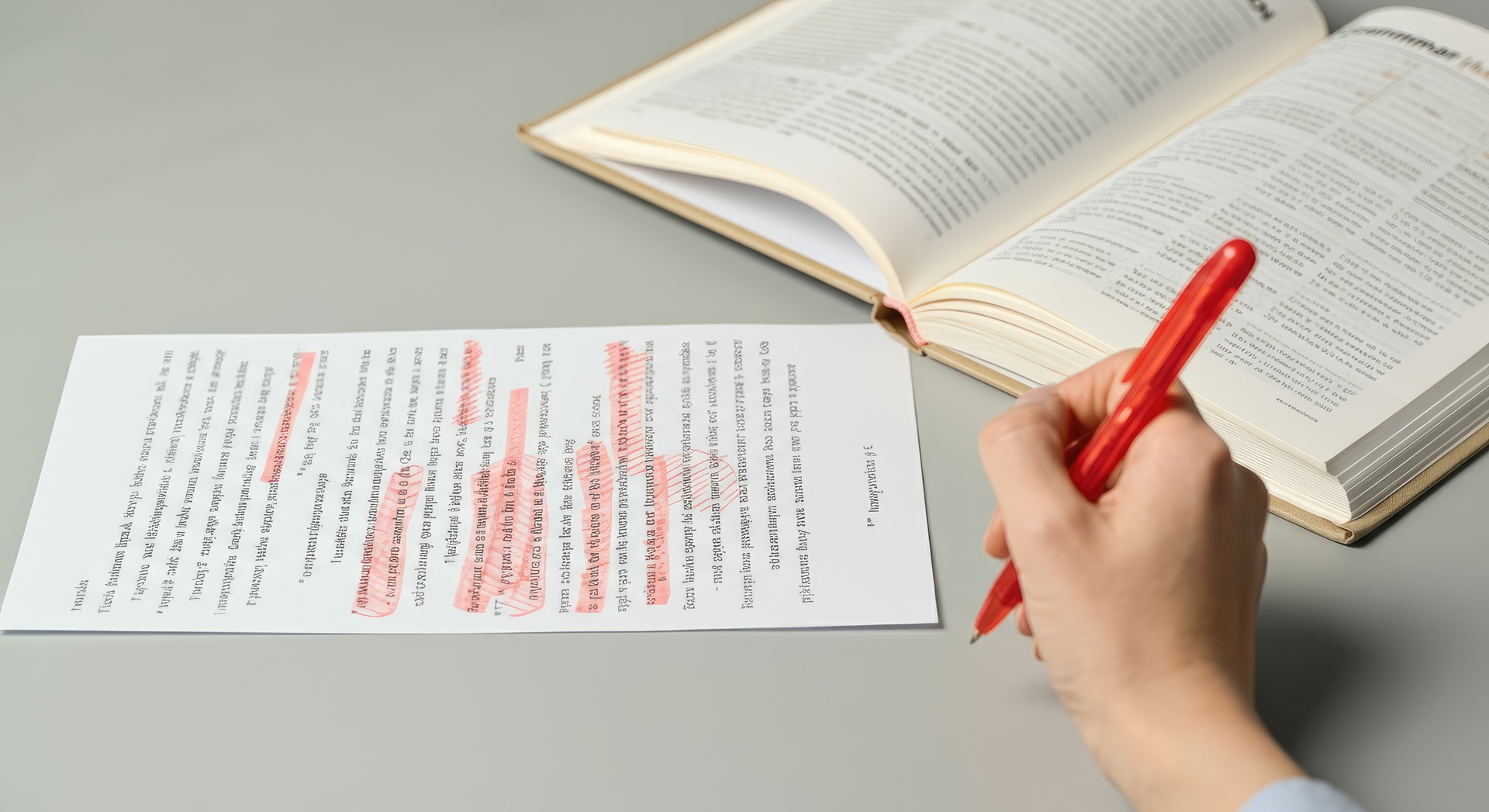
The AP English Literature exam places a strong emphasis on your ability to analyze complex texts. Close reading is a crucial skill that involves reading deeply to uncover underlying meanings, literary devices, and the nuances of language.
By practicing close reading, you’ll be able to analyze texts more effectively during the exam, which will help you excel in both the multiple-choice and essay sections.
A broad vocabulary can significantly enhance your ability to analyze literature and craft strong essays. Having a solid grasp of literary terms and advanced vocabulary will help you interpret complex texts and express your ideas more clearly in your writing.
Building a strong vocabulary will not only help you understand the texts better but also enable you to write more sophisticated essays.
Being able to analyze and interpret literature is essential for success on the AP English Literature exam. Developing your skills in literary analysis will allow you to tackle complex texts with ease and write insightful essays.
By mastering these techniques, you’ll be prepared to answer the analysis questions on the exam and write essays that showcase your understanding of the text.
The free-response section of the AP English Literature exam requires you to write essays that analyze literary works. It’s important to practice writing clear, well-organized essays that present a strong argument supported by textual evidence.
Practicing writing analytical essays will help you build confidence and refine your writing skills for the exam.
The AP English Literature exam often includes essay prompts that focus on character analysis, theme exploration, and the use of literary devices. Reviewing past prompts can give you a sense of what to expect and help you practice crafting strong responses.
By practicing with sample prompts, you’ll become more familiar with the types of questions you might encounter and learn how to structure your responses effectively.
The AP English Literature exam requires you to write essays under time constraints. Practicing essay writing within these time limits will help you develop your ability to organize your thoughts quickly and write effectively under pressure.
By practicing timed essays, you’ll learn how to manage your time and write essays that are both thoughtful and well-organized.
The AP English Literature exam often includes questions on classic works of literature. Reviewing the key themes, characters, and plots of works like Shakespeare’s plays, Greek tragedies, and novels from the 19th and 20th centuries will help you feel more confident during the exam.
A solid understanding of these texts will help you identify references in the exam and provide valuable insight during the analysis sections.
Taking practice tests is one of the best ways to prepare for the AP English Literature exam. Not only do they help you get familiar with the format and question types, but they also provide valuable feedback on your strengths and weaknesses.
Incorporating practice tests into your study routine will give you the confidence you need on exam day.
Poetry is a significant component of the AP English Literature exam. Developing a strategy for reading and analyzing poetry will help you tackle these questions with ease.
A well-rounded approach to reading poetry will ensure you’re ready for any poetry-related questions on the exam.
Staying organized is key to efficient studying. Create a study schedule that allows you to review key concepts, practice writing essays, and take practice tests without feeling overwhelmed.
A well-structured study plan will keep you on track and ensure you cover all necessary material before the exam.
Joining a study group can provide additional perspectives and insights into the material. Working with others can help you see different approaches to reading, writing, and analyzing literature.
Collaborating with others can provide additional support and help you improve your skills.
On exam day, staying calm and confident is essential for performing at your best. Stress and anxiety can negatively impact your test performance, so it’s important to remain composed.
By staying calm and confident, you’ll be able to focus on the test and perform to the best of your abilities.
After taking practice tests or completing assignments, always review your mistakes. Understanding why you made errors will help you avoid them in the future.
By reviewing your mistakes regularly, you can continue to improve your performance and increase your chances of scoring higher on the AP English Literature exam.
Read our Other Articles:
By implementing these 15 tips—understanding the exam structure, practicing reading and writing skills, developing test-taking strategies, and staying calm—you’ll be well on your way to scoring higher on the AP English Literature exam. Remember, consistent practice and focused preparation are the keys to success.
Want to make your exam prep even more effective? Try decimal.ai, an AI-powered exam prep platform that helps you optimize your study routine with personalized practice tests, detailed feedback, and expert insights to boost your confidence and score!